Backyard Walk In Chicken Run
Highlighted under: Holiday Treats
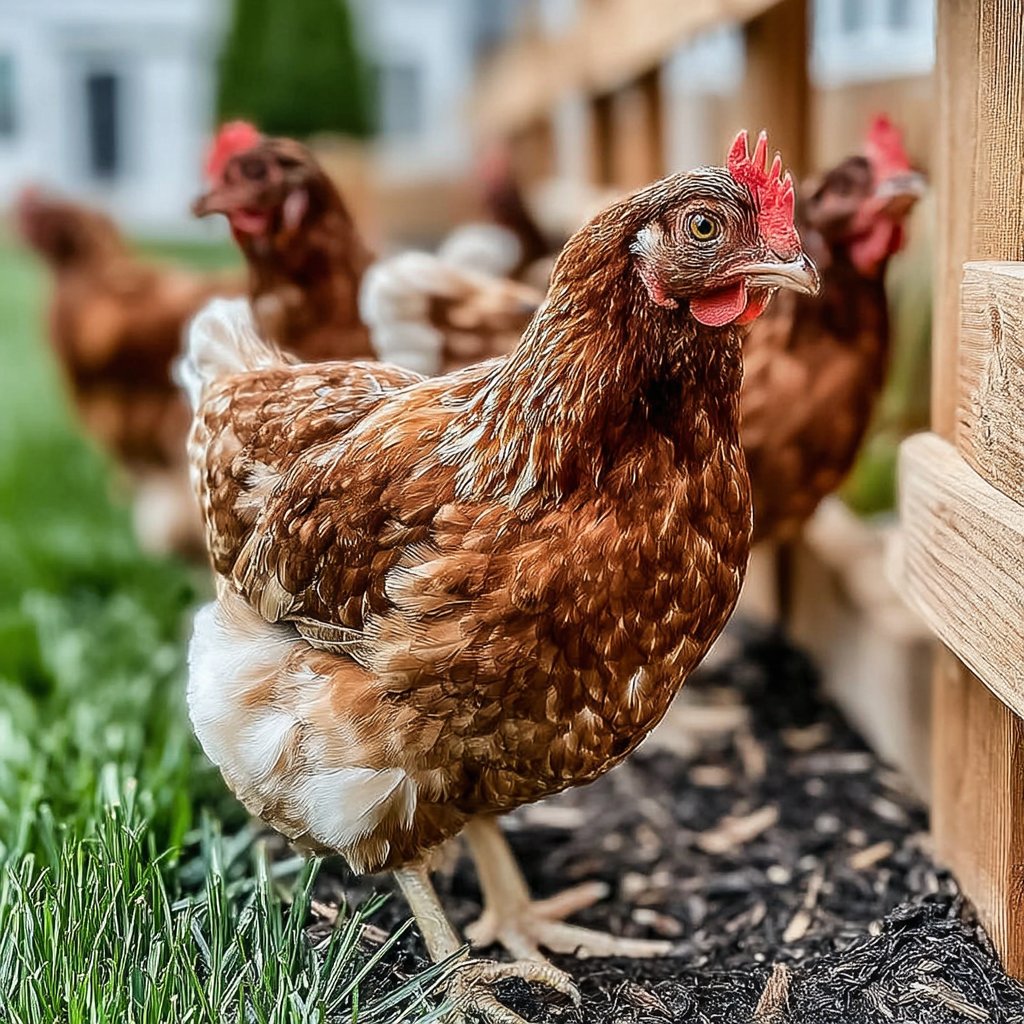
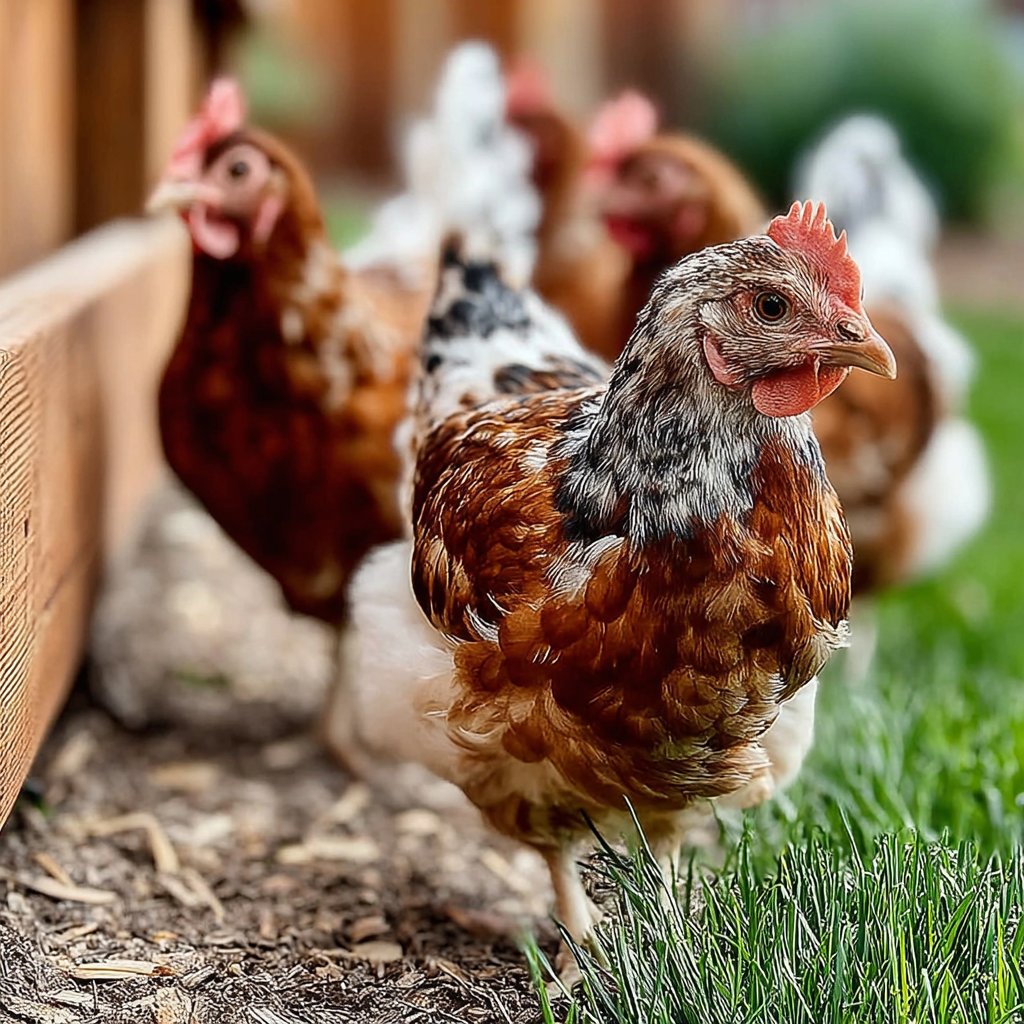
When I decided to create a walk-in chicken run, I never imagined how rewarding it would be! Constructing this space for my chickens has transformed my backyard into a lively, safe environment for them. Not only does it provide ample space for them to roam freely, but also adds a charming rustic touch to my garden. What I love most about it is knowing my chickens can enjoy the outdoors without the threat of predators, all while being easy for me to access and maintain.
As I embarked on building my walk-in chicken run, I paid attention to the elements that would truly enrich my chickens' lives. I chose a spot with natural shade and added perches and dust baths to keep them entertained. Watching them explore this new realm has been pure joy, and I've noticed they've become more active and healthier since the change.
Building this run was simpler than I anticipated—I used readily available materials, and with just a few weekends dedicated to the project, everything came together beautifully. I recommend securing the base well to deter any digging predators; this precaution will give you peace of mind.
Why You'll Love This Chicken Run
- Provides a safe, spacious environment for your chickens
- Enhances your backyard's aesthetics with a rustic charm
- Easy access for feeding and caring for your chickens
Choosing the Right Location
One of the first critical steps in building your chicken run is selecting the right location. Look for a space in your yard that strikes a balance between sunny and shaded areas. Chickens need sunlight for various reasons, including vitamin D synthesis, but too much heat without shade can lead to overheating. Additionally, make sure the ground is level and has adequate drainage to prevent water pooling, which can lead to muddy conditions and promote disease among your birds.
Before you start building, it's a good idea to observe the area throughout the day. Watch how the sunlight and shade change, especially during peak hours. This observation will help you determine the best layout for your run, ensuring your chickens have safe, comfortable spots to rest and roam. Not only will this improve their happiness, but it will also promote better egg production in the long run.
Building a Sturdy Frame
The strength of your chicken run starts with a well-constructed frame. When assembling the frame, use rot-resistant materials for the posts, such as treated lumber, to ensure longevity. Secure the posts deeply into the ground—at least 1–2 feet—to prevent tipping by wind or curious animals. A rectangular shape is usually best; keep the dimensions no smaller than 4 feet by 8 feet to allow adequate space for your chickens to move and exercise.
While constructing the frame, use a level to ensure everything is straight. This visual cue is crucial not just for aesthetics but also for proper installation of the wire mesh. If the frame is off-kilter, gaps may appear where predators can sneak in. For added security, consider adding diagonal bracing between posts, which will help maintain the frame's integrity over time.
Enhancing Your Run with Comfort Features
Once your chicken run is built, think about how to improve your chickens' quality of life within it. Adding features like perches provides them with spaces to rest and stay off the ground, which can reduce stress and lead to healthier birds. Perches should be placed at varying heights and should be made from materials that provide grip, ensuring your chickens can safely hop on and off.
Integrating dust baths into the design is another great way to enhance your chickens’ well-being. Create shallow pits filled with sand or fine soil where they can roll around. This behavior is essential for them to keep their feathers clean and to control parasites. I noticed a significant change in my chickens’ behavior once I added these features; they appeared much happier and engaged in their environment.
Ingredients
Materials Needed
- Wooden fence panels
- Wire mesh (hardware cloth)
- Posts for support
- Hinges and latch for door
- Nails or screws
- Shovel and leveling tool
How to Build Your Chicken Run
Choose the Location
Select a spot in your yard that offers both shade and sun. Make sure it's level and has good drainage.
Build the Frame
Using the posts, create a rectangular frame for the run. Ensure it's sturdy and secured well to the ground.
Install the Mesh
Attach the wire mesh to the frame, ensuring it's secured tightly to prevent any gaps.
Create Access Points
Build a door using hinges and a latch, allowing easy access for feeding and cleaning.
Add Features
Incorporate perches, dust baths, and shaded areas to keep your chickens happy and healthy.
Final Touches
Pro Tips
- Don't forget to regularly check for any wear and tear on the mesh or structure. Also, consider adding a few plants around the run for natural shade and enrichment.
Maintenance Tips for Your Chicken Run
To keep your chicken run in top shape, regular maintenance is essential. Check the wire mesh frequently for any signs of wear or potential breakage. If you notice any loose areas, secure them immediately to prevent predators from entering. Cleaning the run is also important; aim to remove droppings and debris at least once a week to maintain a healthy environment. This simple practice not only keeps the smell down but also decreases the risk of disease.
Another aspect of maintenance is the bedding within your run. Straw or hay can work well, but they need to be replaced regularly to keep the area dry and comfortable. Consider using a deep litter method, where you add layers of bedding over time, allowing it to decompose and enrich the soil. This not only provides a comfortable space for your chickens but also contributes to a healthier ecosystem within your run.
Possible Challenges and Solutions
Building a chicken run may come with its unique set of challenges. One common issue is dealing with digging predators, such as raccoons or foxes. To combat this, consider burying the bottom of the wire mesh at least 12 inches below ground level or surround the perimeter with concrete blocks to thwart any digging attempts. Being proactive is key to keeping your chickens safe.
Weather can also pose challenges; heavy rain or snow can create muddy conditions that are not only uncomfortable but unhealthy for chickens. Installing a sloped roof over part of the run can protect them from the elements and provide a dry space during unfriendly weather. Additionally, creating a small drainage system can help channel water away from the run, keeping it dry and safe throughout the seasons.
Questions About Recipes
→ How large should a chicken run be?
Aim for at least 10 square feet per chicken to allow ample space for foraging and exercising.
→ How do I keep predators out?
Bury the wire mesh several inches underground and ensure the top is secured to deter aerial predators.
→ What kinds of features should I add?
Consider including perches, dust baths, and hiding spots to keep your chickens engaged.
→ Can I build this run by myself?
Absolutely! This project can be completed by a beginner with basic tools and some guidance.
Backyard Walk In Chicken Run
What You'll Need
Materials Needed
- Wooden fence panels
- Wire mesh (hardware cloth)
- Posts for support
- Hinges and latch for door
- Nails or screws
- Shovel and leveling tool
How-To Steps
Select a spot in your yard that offers both shade and sun. Make sure it's level and has good drainage.
Using the posts, create a rectangular frame for the run. Ensure it's sturdy and secured well to the ground.
Attach the wire mesh to the frame, ensuring it's secured tightly to prevent any gaps.
Build a door using hinges and a latch, allowing easy access for feeding and cleaning.
Incorporate perches, dust baths, and shaded areas to keep your chickens happy and healthy.
Extra Tips
- Don't forget to regularly check for any wear and tear on the mesh or structure. Also, consider adding a few plants around the run for natural shade and enrichment.
Nutritional Breakdown (Per Serving)
- Calories: 0 kcal
- Total Fat: 0g
- Saturated Fat: 0g
- Cholesterol: 0mg
- Sodium: 0mg
- Total Carbohydrates: 0g
- Dietary Fiber: 0g
- Sugars: 0g
- Protein: 0g